
Health Insurance: Your Safety Net in an Unpredictable World
Let’s be honest—health insurance isn’t the most exciting topic at dinner. But when life throws a curveball (and it will), health insurance suddenly becomes your best friend. Think of it like a sturdy umbrella: you might forget about it on sunny days, but when the storm hits, you’re grateful it’s there.
In this guide, we’ll break down health insurance in plain English—no jargon, no headaches. Ready? Let’s dive in.
What Is Health Insurance, Really?
At its core, health insurance is a financial safety net. You pay a small amount regularly (called a premium), and in return, the insurance company helps cover your medical expenses when you get sick or injured.
Without insurance, one hospital visit can feel like your bank account got hit by a truck. With it? The impact is manageable. Simple as that.
Why Health Insurance Is No Longer Optional
Ask yourself this: can you predict when you’ll fall sick or meet with an accident? Of course not. Medical emergencies don’t send calendar invites.
Healthcare costs are rising faster than fuel prices. A single hospitalization can wipe out years of savings. Health insurance protects not just your health—but your financial future too.
In short, it’s not a luxury anymore. It’s a necessity.
How Health Insurance Works (No Rocket Science Here)
Health insurance works on a simple give-and-take model:
- You pay a premium monthly or yearly
- The insurer covers medical expenses as per the policy
- You may pay a small part yourself (called a deductible or co-pay)
It’s like splitting the bill with a friend—except this friend has much deeper pockets.
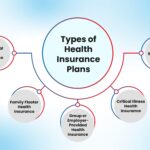
Types of Health Insurance Plans You Should Know
Not all health insurance plans are created equal. Here are the main types you’ll come across:
Individual Health Insurance
Covers one person. Ideal if you’re single or self-employed and want personalized coverage.
Family Floater Plans
One policy covers your entire family. Cost-effective and convenient—like a combo meal.
Group Health Insurance
Provided by employers. It’s affordable but often limited. Once you quit the job, the cover usually ends.
Senior Citizen Health Insurance
Designed for older adults, covering age-related illnesses and higher medical needs.
What Does Health Insurance Actually Cover?
Most standard health insurance policies cover:
- Hospitalization expenses
- Pre and post-hospitalization costs
- Daycare procedures
- Ambulance charges
- Critical illnesses (depending on the plan)
Some plans also include maternity benefits, mental health care, and even wellness programs. Always read the fine print—details matter.
What Health Insurance Usually Does NOT Cover
Here’s the catch. Health insurance isn’t a magic wand.
Common exclusions include:
- Cosmetic surgeries
- Pre-existing diseases (for a waiting period)
- Non-prescribed treatments
- Self-inflicted injuries
Knowing what’s not covered is just as important as knowing what is.
How to Choose the Right Health Insurance Plan
Choosing a plan can feel like shopping in a crowded market. Too many options, too much noise. Here’s how to simplify it:
- Assess your needs: Age, family size, medical history
- Check coverage amount: Don’t underinsure
- Compare premiums: Cheap isn’t always better
- Look at network hospitals: Cashless treatment matters
- Claim settlement ratio: Trustworthy insurers pay claims smoothly
Think long-term. The cheapest plan today may cost you more tomorrow.
Health Insurance and Tax Benefits: A Sweet Bonus
Here’s some good news. Health insurance doesn’t just protect your health—it also helps save taxes.
Under income tax laws, premiums paid for health insurance are eligible for tax deductions. It’s like getting rewarded for being responsible. Win-win, right?
Common Myths About Health Insurance (Busted!)
Let’s clear the air:
“I’m young and healthy, I don’t need insurance.”
Wrong. Youth is the best time to buy—it’s cheaper and offers wider coverage.
“Insurance companies never pay claims.”
False. Most claims are settled smoothly if documents are in order.
“My employer’s insurance is enough.”
Not always. Employer plans are limited and temporary.
Don’t let myths decide your future.
The Digital Shift: Buying Health Insurance Online
Gone are the days of endless paperwork. Today, you can buy health insurance online in minutes.
Benefits include:
- Easy comparison
- Lower premiums
- Quick policy issuance
- Transparent terms
Just a few clicks, and you’re covered. Technology for the win.
The Role of Preventive Care in Health Insurance
Modern health insurance isn’t just about treating illness—it’s about preventing it.
Many plans now offer:
- Free health check-ups
- Wellness rewards
- Discounts on gym memberships
It’s like having a coach who nudges you toward a healthier life.
Why Skipping Health Insurance Is a Risk You Shouldn’t Take
Living without health insurance is like driving without brakes. You might be fine for a while—but one sudden stop can be disastrous.
Medical emergencies don’t just affect your body. They impact your savings, mental peace, and family stability. Health insurance absorbs the shock so you don’t have to.
Conclusion: Health Insurance Is Peace of Mind
At the end of the day, health insurance is about peace of mind. It lets you focus on recovery instead of worrying about bills. It protects your loved ones when they need it most.
Life is unpredictable. Your protection doesn’t have to be.
So, if you’ve been postponing buying health insurance, ask yourself one question: Isn’t your health worth it?