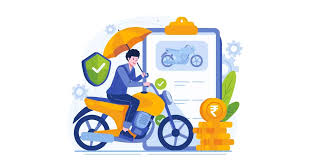

Bike Insurance: Everything You Need to Know Before Hitting the Road
So, you’ve finally got yourself a shiny two-wheeler? That thrill of feeling the wind in your hair while you zip down the road is unmatched. But wait—before you rev that engine, there’s one thing you shouldn’t ignore: bike insurance. Think of it as the helmet for your wallet—it protects you from unexpected hits that life might throw your way.
In this article, I’ll walk you through everything you need to know about bike insurance, why it’s essential, and how to pick the right one. Let’s dive in.
What Is Bike Insurance?
In simple words, bike insurance is financial protection for you and your motorcycle. It’s a legal contract between you and the insurer, where you pay a premium, and in return, they cover damages or losses. Whether it’s an accident, theft, or even natural calamities—bike insurance steps in when things go south.
Why Do You Need Bike Insurance?
You might be thinking, “I’m a safe rider, why do I even need insurance?” Well, let’s face it—no matter how careful you are, you can’t control reckless drivers, potholes, or unforeseen accidents.
Here’s why bike insurance is a must:
- Legal requirement: In most countries, third-party bike insurance is mandatory. Riding without it? That’s like riding without brakes—dangerous and costly.
- Financial protection: Accidents can burn a hole in your pocket. Insurance saves you from massive repair bills.
- Peace of mind: Knowing you’re covered lets you ride with confidence.
- Theft coverage: Imagine parking your bike and finding it gone. Scary, right? Insurance can soften that blow.
Types of Bike Insurance
Not all bike insurance is the same. Let’s break it down:
1. Third-Party Liability Insurance
This is the basic, no-frills insurance that covers damages to another person or their property. It’s the minimum requirement by law in many countries. But remember, it doesn’t cover your bike’s damages.
2. Comprehensive Bike Insurance
This one’s the superhero plan—it covers you, your bike, third-party damages, theft, and even natural disasters. Sure, the premium is higher, but the protection is worth every penny.
3. Own Damage Insurance
Bought your bike after September 2018? You can opt for standalone “own damage” cover. It protects your bike but doesn’t cover third-party liabilities.
Factors That Affect Your Bike Insurance Premium
Ever wondered why two people with the same bike pay different premiums? It’s not random—it depends on several factors:
- Age of the bike: Older bikes generally have cheaper premiums, but coverage may also reduce.
- Location: Urban areas with high traffic have higher premiums due to accident risks.
- Rider’s age and history: If you’re young or have a record of accidents, expect to pay more.
- Type of coverage: Comprehensive plans cost more than third-party policies.
- Add-ons: Extra benefits like roadside assistance or zero depreciation add to the cost.
Add-Ons You Should Consider
Think of add-ons as toppings on your pizza. They’re not mandatory, but they make the whole thing better. Some useful ones include:
- Zero depreciation cover – You get full claim without factoring in your bike’s depreciation.
- Roadside assistance – Flat tire at midnight? This cover gets you help.
- Personal accident cover – Covers medical expenses in case of injuries.
- Engine protection – Safeguards your engine from damage due to waterlogging or oil leakage.
How to Choose the Right Bike Insurance
Picking the right bike insurance doesn’t have to feel like solving a puzzle. Just keep these points in mind:
- Assess your needs – Do you just want basic legal coverage, or complete protection?
- Compare policies online – Don’t settle for the first option. Use comparison tools to check features and prices.
- Look at claim settlement ratio – The higher, the better. After all, what’s the point of insurance if they don’t pay when you need it?
- Check for hidden clauses – Always read the fine print (yes, even if it feels boring).
- Balance between cost and coverage – Don’t just chase the cheapest premium.
Common Mistakes People Make with Bike Insurance
Let’s be honest—we all make mistakes. But when it comes to bike insurance, these slip-ups can cost you big time:
- Not renewing on time – Lapsed insurance leaves you unprotected.
- Underinsuring your bike – Choosing a lower Insured Declared Value (IDV) to save money can backfire.
- Ignoring add-ons – Skipping useful add-ons to cut costs might hurt later.
- Not transferring insurance when buying a used bike – This is a rookie mistake that could leave you in legal trouble.
Steps to Claim Bike Insurance
Filing a claim might feel overwhelming, but it’s actually straightforward if you follow the process:
- Inform the insurer immediately after an accident or theft.
- File an FIR (for theft or major accidents).
- Submit documents like your insurance policy, RC, and driving license.
- Get your bike inspected by the insurance surveyor.
- Repair at network garages for cashless settlement or get reimbursed later.
Tips to Lower Your Bike Insurance Premium
Want to save some bucks on your premium? Try these hacks:
- Install anti-theft devices – Insurers love safety measures.
- Opt for higher deductibles – You pay a small portion, insurer covers the rest.
- Renew on time – Avoid penalties and lapsed benefits.
- Avoid small claims – Save your no-claim bonus for bigger issues.
- Bundle policies – If you already have health or car insurance with a company, bundle for discounts.
The Bottom Line
Owning a bike is freedom on wheels, but with great freedom comes great responsibility. Bike insurance isn’t just about following the law—it’s about protecting yourself, your bike, and your peace of mind. Whether you go for third-party or comprehensive coverage, the key is choosing wisely and keeping your policy updated.
So, before you zoom off on your next ride, ask yourself: “Am I truly protected?” Because remember—roads are unpredictable, but your safety doesn’t have to be.